
Colorado Flooring Considerations
Colorado buildings have specific concerns when it comes to epoxy and other resinous flooring installations
Installing resinous flooring in Colorado comes with a number of special considerations that other parts of the country don’t necessarily experience. While you might assume that flooring installation is the same everywhere, our unique soil conditions and weather around the Rocky Mountains requires extra thought and planning.
Soil Moisture / Hydrostatic Pressure Considerations
When we talk about soil moisture, we are concerned about the concrete slab that epoxy flooring systems are installed on. Excess moisture in the slab can prevent epoxy and other resinous flooring systems from properly bonding with the concrete. Most epoxy manufacturers have a limit of 75-80% slab relative humidity (RH) allowed in their literature. Beyond that limit, hydrostatic pressure can cause eventual blistering and bubbling of the flooring material (epoxy, urethane, etc.).
Despite being a relatively arid climate, many areas around Denver contain high soil moisture that can negatively impact concrete slabs. This is especially true in the Centennial and Boulder areas. Because of this, it is advisable for clients to have in-situ moisture testing of their concrete slab performed before installing an epoxy floor. This testing is performed by drilling a hole(s) in the concrete slab and inserting a probe to measure the concrete slab relative humidity.
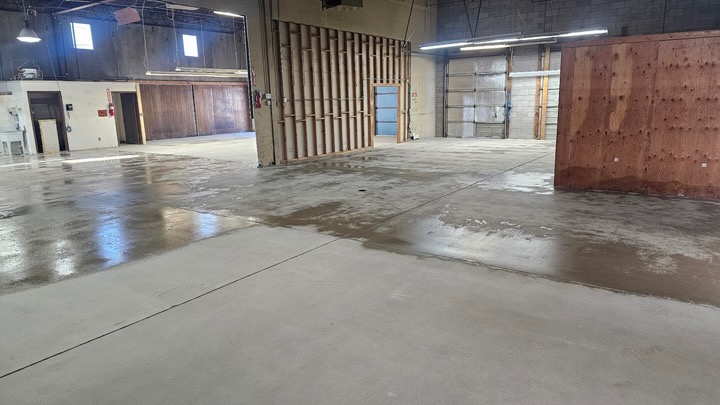
The good news is that should the slab RH measurement be high, or if a client wishes to avoid any moisture related concerns generally, there are several effective options for moisture mitigation. A moisture vapor primer or a solution like a urethane cement base can both provide moisture protection up to 99% slab RH. A more extensive moisture control system may be required in some more extreme cases or if another type of flooring (carpet, rubber, etc) will be installed.
Ground Movement
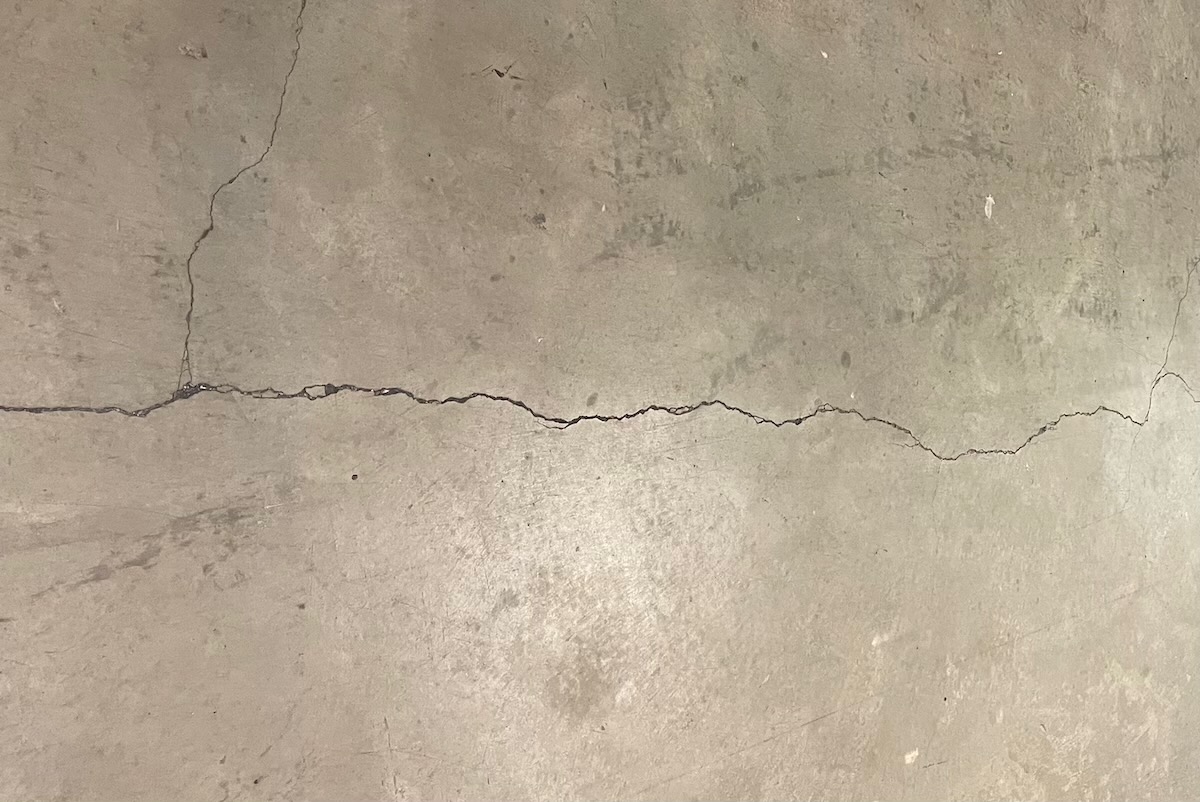
Colorado is known for ground movement. Natural geological processes here cause the earth to shift and sink beneath buildings and other structures. For this reason, walls in Colorado basements are installed as “floating walls” to allow for this movement when framing homes. This movement also impacts concrete slabs which can lead to cracking and/or heaving.
Resinous floors are installed directly on concrete slabs and create a hard, non-flexible surface. So when ground movement causes cracks in the slab, the epoxy or surface material will crack too. This isn’t the fault of the surface material, instead it is the ground movement that has caused it.
How to Account for Ground Movement During Floor Installation
There are a few ways to account for ground movement when installing resinous flooring. If it is expected that movement will occur, an experienced flooring contractor can be proactive and create a flexible movement joint using a flexible sealant like a Sika 1A. The flexible joint is installed in the floor directly above the concrete movement joint (honoring it), and allows the slab and floor to flex in the event of ground movement, instead of cracking. Resinous flooring coats are installed on top of these joints for a seamless finish.
Alternatively, you can install the floor normally and repair any cracks as they occur. The fix is relatively easy. The contractor will return to the site and run a saw cut through the cracked area. Then, once the slab movement has subsided, they will refill it with the flooring material. If the movement is more obvious or appears to be ongoing, a flexible material can be used to fill the saw cut instead. Cracks are more likely if the concrete slab has recently been laid and hasn’t fully settled yet.
Weather
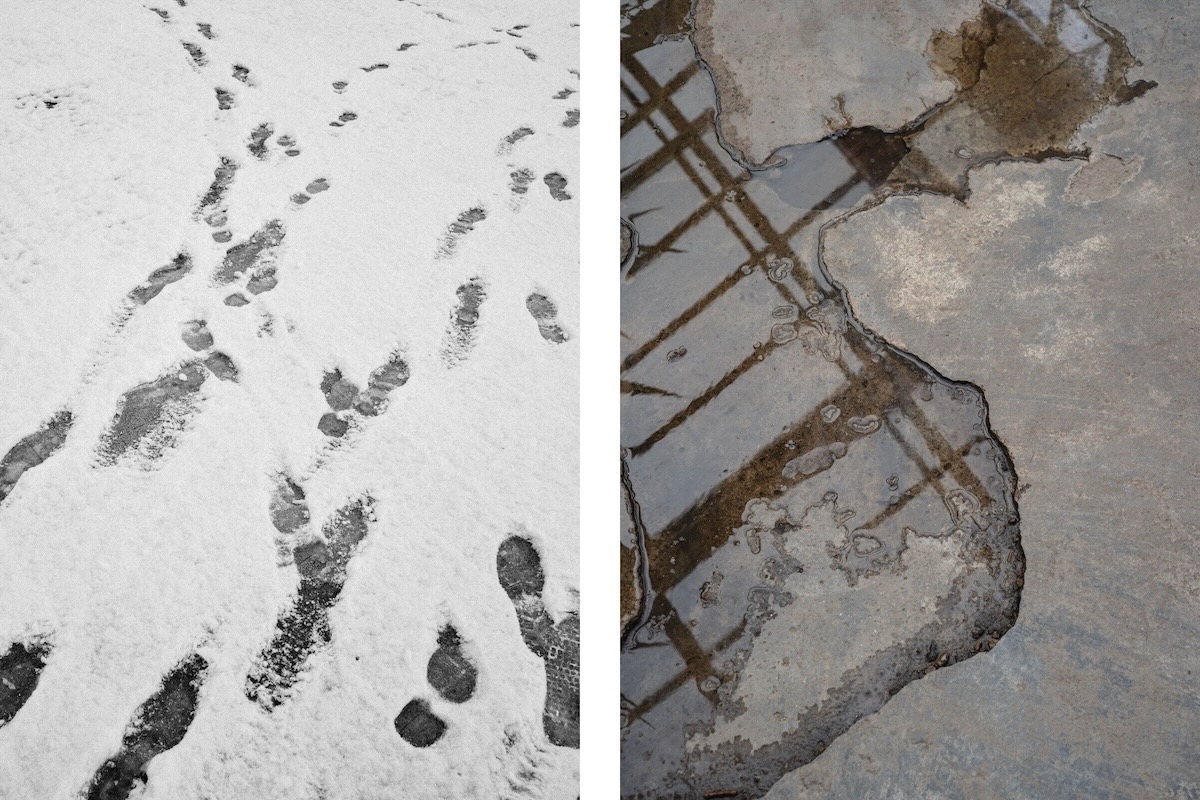
Colorado is known for its dynamic weather, particularly snow during the winter (or occasionally spring, fall and even summer). All that snow, slush, and salt has a tendency to get tracked into businesses and industrial spaces. When all that water lingers on uncoated concrete, it can cause spalling and eroding, revealing unsightly damage. Salt and other snow melt materials leave behind residue and can further accelerate the damage.
To prevent damage from weather-related moisture and chemicals it is wise to install a concrete coating. Epoxy, polyaspartic, urethane cements and urethanes do a great job of protecting floors. However, for those seeking a lower cost option, or the look of bare concrete, an appropriately specced concrete sealer can do the job just as well.
With frequent snow, ice, and rain, slip-resistance should also be taken into consideration. A completely smooth or glossy concrete floor gets very slippery when wet. Choosing a flooring solution with slightly more profile to it will provide non-skid properties. That underfoot grip can be crucial to preventing slip and fall accidents on wet floors.
Your Colorado Flooring Experts
At General Industrial Flooring, we’re well versed in dealing with the specific considerations you’ll face with flooring installations across the Front Range and throughout Colorado. We have many years of experience tailoring floors to handle these conditions and perform flawlessly in any environment.
(303) 762-1600